25 Years On. Still Needed.
 |
Today, we recognize International Overdose Awareness Day by honoring those lost to overdose, supporting the individuals, families, and communities affected, and recommitting ourselves to prevention.
From a One Health perspective, overdose prevention is not only a human health issue. It also touches the well-being of pets and the environments people and animals share. Substances in the home, unsafe medication storage, accidental exposures, and barriers to care can affect the whole family system.
The need remains urgent. CDC's latest preliminary data predicts 67,798 drug overdose deaths in the United States for the 12 months ending in March 2026. On the animal side, the ASPCA Animal Poison Control Center reported more than 451,000 calls in 2024 related to toxic substance, plant, and poison exposures in animals.
|
Know some of the warning signs.
|
👤 In people, a possible opioid overdose may include:
- Not waking or responding to voice or touch
- Very slow, irregular or stopped breathing
- A limp body
- Blue or purple lips or fingernails
- Vomiting, choking or gurgling sounds
Call 911 immediately. If naloxone is available, administer it as directed while emergency help is on the way.
|
|
|
|
🐾 In pets, poisoning or overdose can look different depending on the substance. Warning signs may include:
- Extreme sleepiness or inability to respond
- Stumbling or loss of coordination
- Slow or difficult breathing
- Changes in pupil size
- Tremors or seizures
- Unconsciousness
If you believe a pet may have ingested a medication or drug, contact a veterinarian or animal poison control (ASPCA Animal Poison Control (888) 426-4435) immediately. Do not wait for symptoms to develop.
|
 |
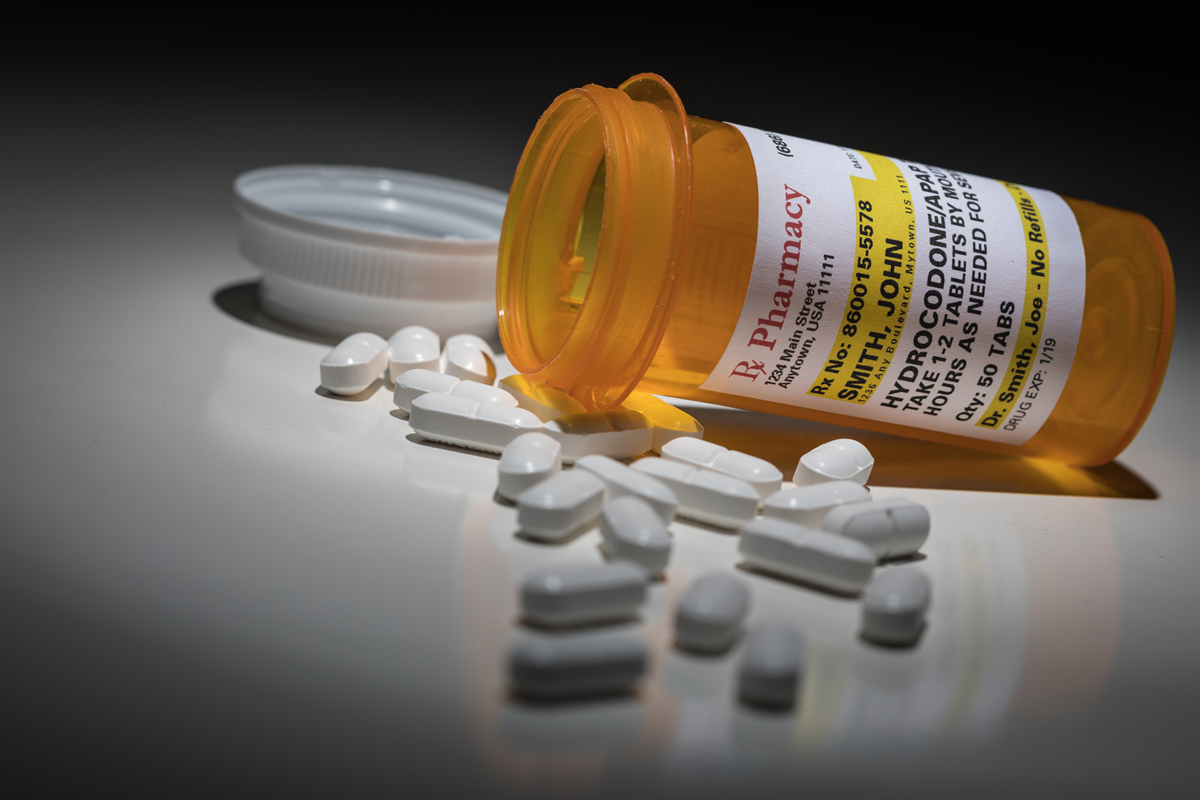
🌎 Our shared environment matters, too. Secure medications where children and animals cannot reach them, promptly pick up dropped pills, and use medication take-back programs for drugs you no longer need. Proper disposal reduces accidental poisoning and helps keep pharmaceuticals out of our waterways.
|
Prevention and support can take many forms:
- Learn the signs of overdose and poisoning
- Carry naloxone when appropriate
- Store medications securely and out of reach of children and pets
- Properly dispose of unused medications
- Reduce stigma and connect people to care, treatment, and recovery support
- Recognize that pets can be part of the support systems that help people stay connected, safe, and engaged
If you or someone you know needs support, SAMHSA's National Helpline is available at 1-800-662-HELP (4357).
If a pet may have ingested a harmful substance, contact your veterinarian or the ASPCA Animal Poison Control Center at (888) 426-4435 as soon as possible.
As a One Health community, how can we better integrate overdose prevention, compassionate support, and pet-inclusive approaches in the communities we serve?
Resources:
International Overdose Awareness Day: https://www.overdoseday.com/
CDC Overdose Data: https://www.cdc.gov/overdose-prevention/data-research/facts-stats/index.html
SAMHSA National Helpline: https://www.samhsa.gov/find-help/helplines/national-helpline
ASPCA Animal Poison Control Center: https://www.aspca.org/pet-care/aspca-poison-control
------------------------------
T' Fisher, Director of Operations
Center for Pet Family Well-Being
------------------------------