|
|
Yesterday marked the summer solstice here in the Northern Hemisphere - the official start of astronomical summer. Longer days can mean more time outside, more travel, more community events, and more time with the animals we love. They also bring seasonal One Health risks for people and pets, including heat illness, dehydration, hot pavement, poor air quality, ticks, storms, fireworks, and unsafe food exposures.
As summer gets underway, it is a good time to check in on how we can help keep both people and pets safe.
|
|
Before heading outside, check the heat index and heat safety guidance from the National Weather Service, along with your local air quality through AirNow. Plan walks, outdoor work, and playtime for the cooler parts of the day, and move indoors when heat or air quality becomes unsafe. Heat can affect anyone, but older adults, children, people with chronic health conditions, outdoor workers, and animals with medical or respiratory risks may need extra protection.
|
|
|
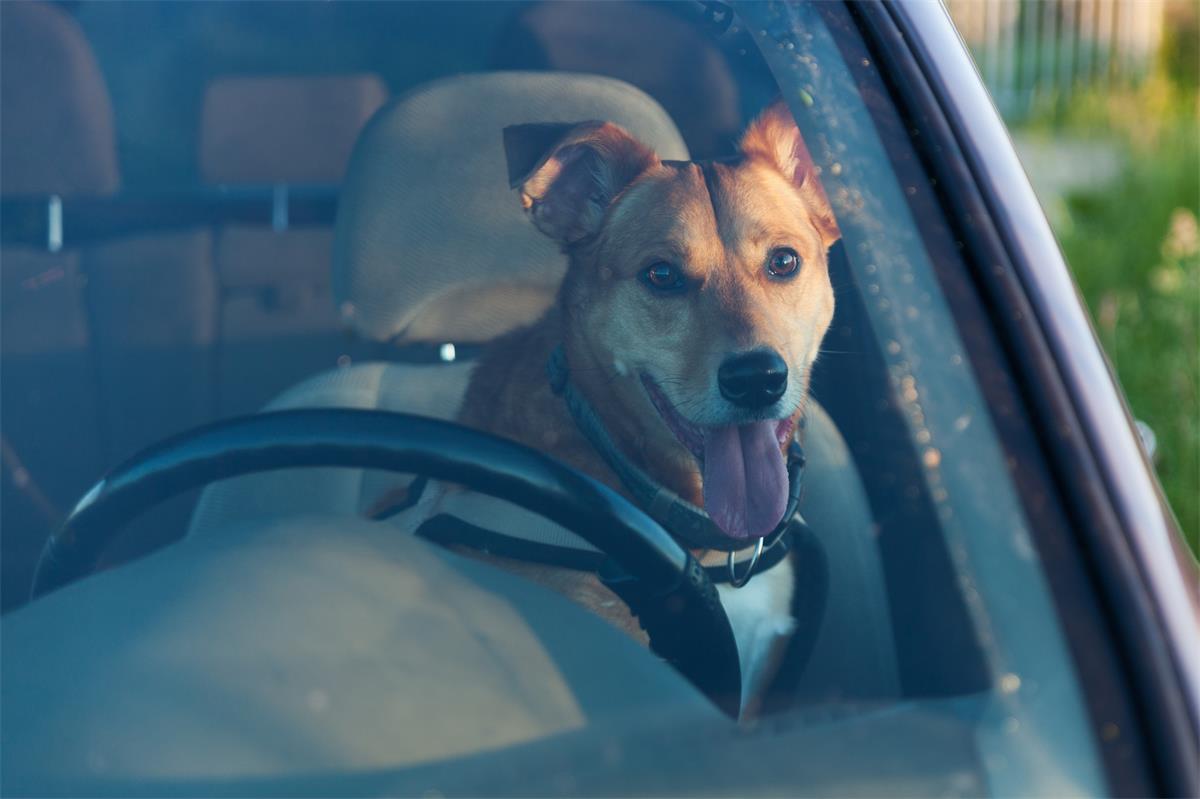
Never leave children or pets in parked vehicles. Even a few minutes can become dangerous quickly. The CDC offers helpful guidance on heat risks for people and pets, including signs of overheating and ways to reduce risk.
|
|
Pets also need protection from hot pavement, sidewalks, and truck beds. Choose shaded routes, avoid peak sun, bring water, and remember that some animals are especially vulnerable to heat, including flat-faced breeds, senior pets, very young animals, overweight pets, and pets with heart or respiratory disease. The AVMA has a practical guide on warm weather pet safety, and the ASPCA also shares hot weather safety tips for pets.
|
|
After time outdoors, remember to check people and pets for ticks. The CDC provides guidance on preventing Lyme disease and reducing tick exposure, including reminders to check pets daily if they spend time outside and to use veterinary-approved tick prevention.
|
|
Summer can also bring storms, travel, fireworks, and evacuations. Now is a good time to make sure pets are included in household emergency plans. The CDC has resources on pet emergency preparedness, and the AVMA offers guidance on pets and disasters. For communities affected by wildfire smoke, AirNow has a helpful resource on how to protect pets from wildfire smoke.
Finally, keep summer foods, drinks, and products out of reach. Some common human foods and ingredients can be dangerous for pets. Xylitol, found in some sugar-free gum, candies, baked goods, and other products, is especially dangerous for dogs. The FDA has a clear overview on why xylitol is dangerous for dogs.
Question for the community: What summer safety practices do you recommend for keeping both people and pets safe in your community?
------------------------------
T' Fisher, Director of Operations
Center for Pet Family Well-Being
------------------------------