This Veterans Day, we thank all veterans for their service. We also recognize the service animals who support them.
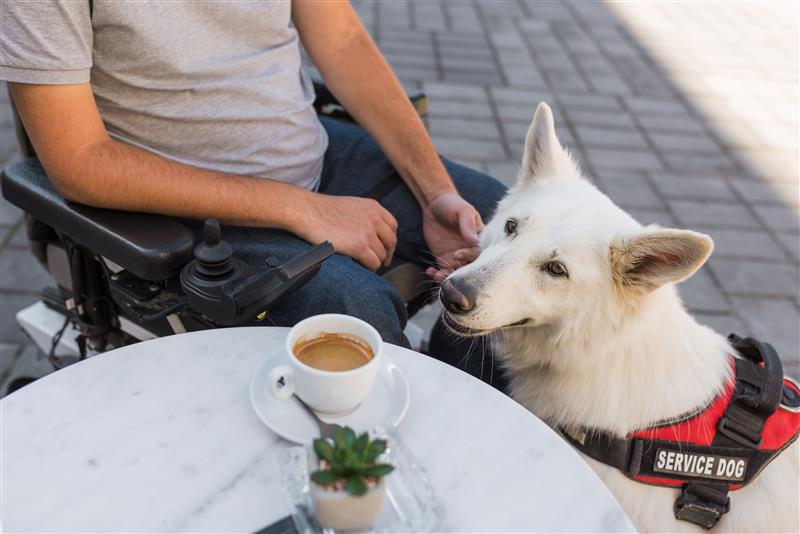
Today, about 17.6 million U.S. adults are veterans (7% of the population), and roughly 31% live with a service-connected disability (BLS, 2025). Service animals, most commonly dogs, play a critical role for many disabled veterans. They are trained to perform tasks such as retrieving items, opening doors, providing balance support, guiding individuals with vision or hearing loss, or alerting to medical conditions. Psychiatric service dogs can also help veterans with PTSD, anxiety, or depression by interrupting panic attacks, recognizing signs of distress, and reducing isolation (Mission Roll Call, 2023).
The exact number of veterans with service animals is unknown. Across all disability groups, estimates suggest there are around 500,000 service dogs in the U.S. (Dogster, 2025). In one survey of 678 veterans, 8% reported having a PTSD service dog at some point, and another 44% said they would like one, highlighting a significant unmet need (Hill and Ponton, 2024). Barriers such as high training costs, limited availability, and lack of clear information make access challenging.
To address these gaps, the Service Dogs Assisting Veterans (SAVES) Act was introduced to fund nonprofit organizations that match service dogs with veterans experiencing PTSD, traumatic brain injury, or other service-related disabilities (H.R. 9525, 2024). While the bill was reintroduced in the House, it has not yet been passed.
Even beyond access to trained service dogs, veterans who have animals - whether service animals or companion pets - can face challenges finding affordable housing due to pet restrictions, fees, or lack of understanding about service animal rights. We also acknowledge the organizations across the U.S. connecting veterans with service animals and supporting essential needs such as housing, employment, and healthcare.
- If you or someone you know has experience with service animals, what made the biggest difference in navigating access or support?
- Which changes (policy, funding, or community supports) do you think would most improve access to service animals and pet-inclusive housing for veterans?
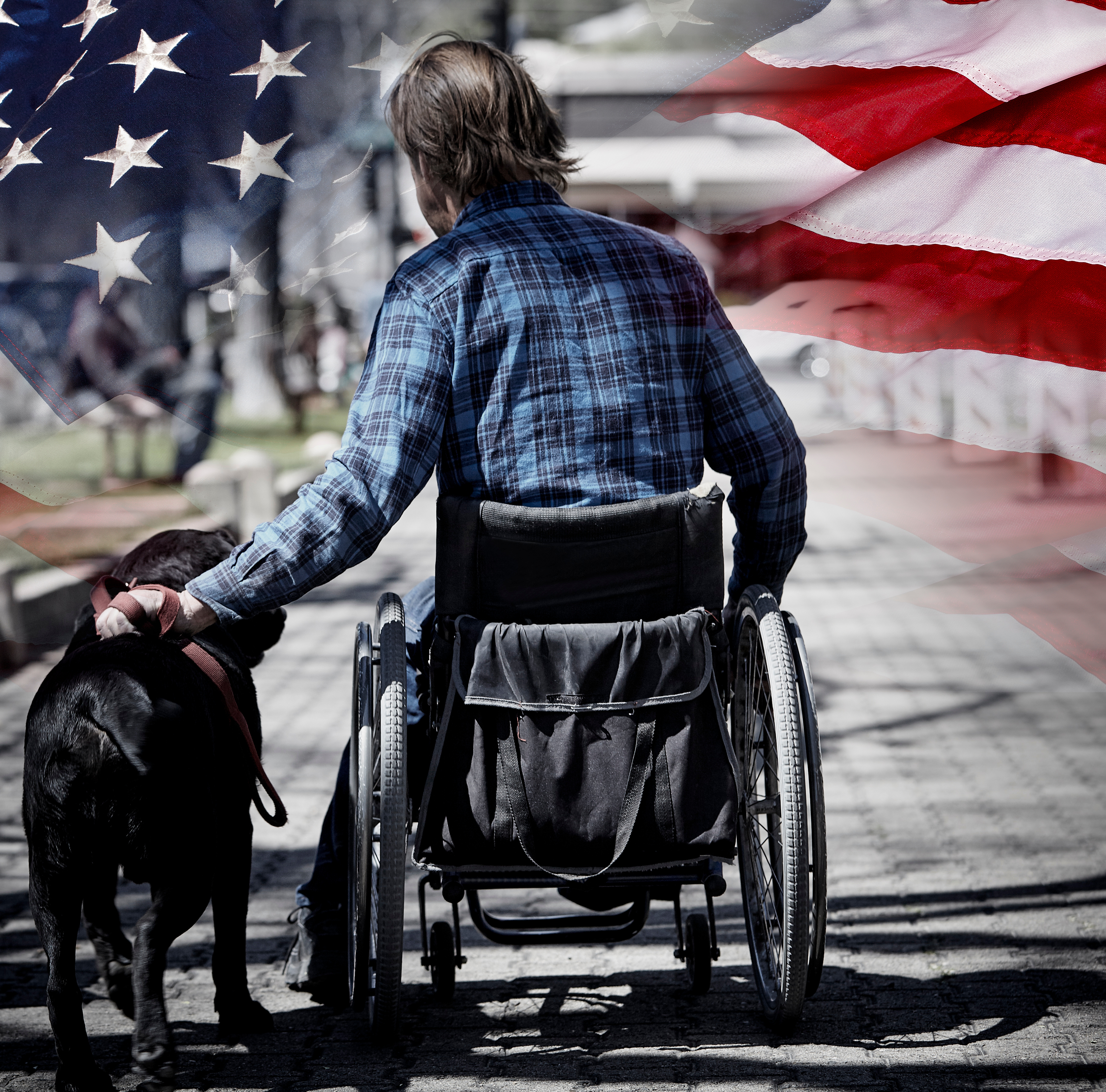
#CommunityPartnerships* #OneHealth #Housing #Diversity,Equity,InclusionandJustice #CommunitySupport #PublicHealth #Policy #LawsandPublicPolicy #AccesstoCare
------------------------------
Claire Schuch, PhD
Associate Director for Research
University of Tennessee, Knoxville
NC
------------------------------